AquaForge USA Home

Category

Training Science

22 articles

Your Pool Is Lying to You: How Water Temperature Is Warping Your Race-Day Expectations

Your Pool Is Lying to You: How Water Temperature Is Warping Your Race-Day Expectations

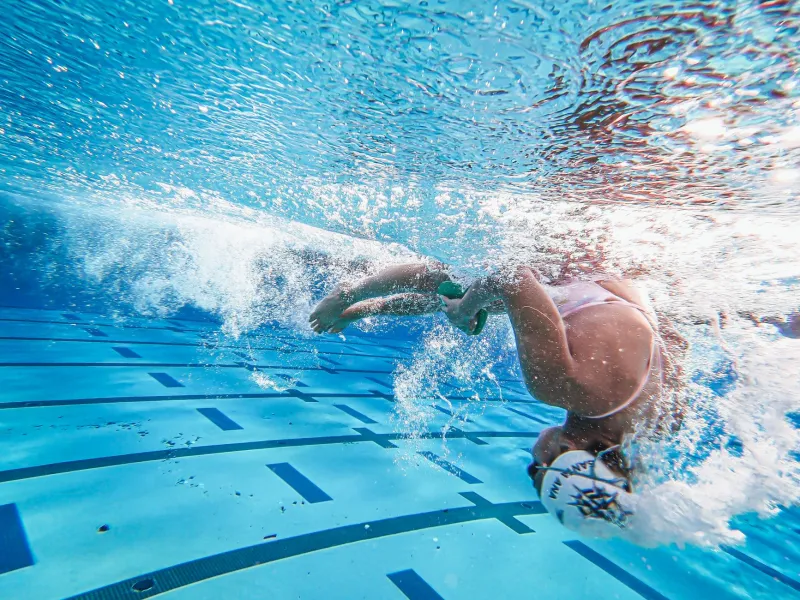
You've logged the yards, dialed the technique, and hit every split in practice. But come race day, something feels off — and your pool's water temperature might be the culprit nobody's talking about. Here's why the thermal environment you train in every day could be quietly building a fitness ceiling you don't even know exists.

You Already Peaked — Just Not When It Counted

You Already Peaked — Just Not When It Counted

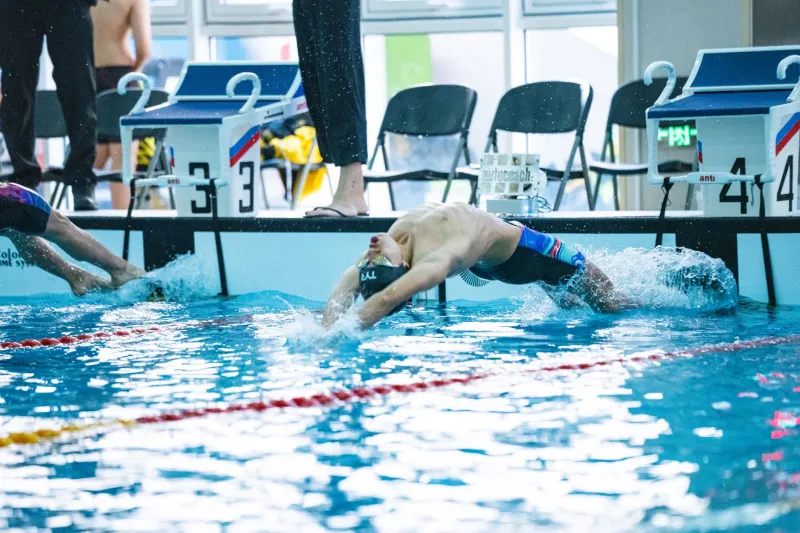
Dropping your best time in January feels great — until you realize your championship meet is in March. Premature peaking is one of the most common and most preventable performance mistakes in competitive swimming, and most athletes don't even see it coming.

It's Not the Goggles: The Real Reason You're Swimming Blind at Race Time

It's Not the Goggles: The Real Reason You're Swimming Blind at Race Time

Your goggles worked perfectly in warmup, so why are they flooding by the second lap of your race? The answer has less to do with the goggles themselves and more to do with what your head and neck are doing under pressure. Understanding the biomechanics behind race-day leaks could be the fix you've been missing all season.

Tight Is Slow: What Your Underwater Streamline Is Actually Costing You

Tight Is Slow: What Your Underwater Streamline Is Actually Costing You

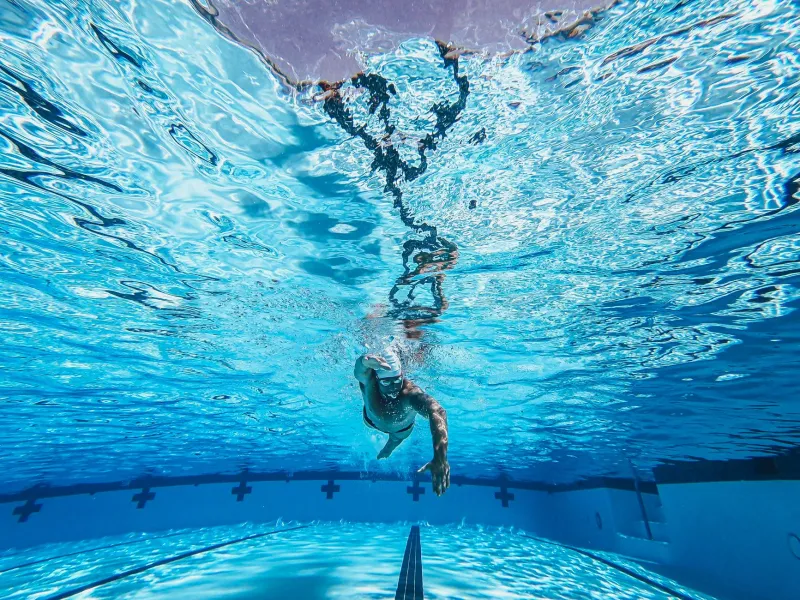
Every coach tells you to lock it in off the wall — but what if your obsession with a rigid streamline is actually dragging you backward? New thinking in aquatic biomechanics suggests that over-tension underwater is one of the most overlooked speed killers in competitive swimming.

Loose Hands, Fast Swimmer: The Counterintuitive Truth About Hand Tension in the Water

Loose Hands, Fast Swimmer: The Counterintuitive Truth About Hand Tension in the Water

When the pressure spikes in a race, most swimmers instinctively clench up — and it's quietly costing them time they'll never get back. Understanding the biomechanics of hand tension reveals why relaxed fingers are actually a performance weapon, and how you can train your grip reflex to work with you instead of against you.

Pool Swimmer, Open Water Stranger: Why Your Flip Turn Is Working Against You

Pool Swimmer, Open Water Stranger: Why Your Flip Turn Is Working Against You

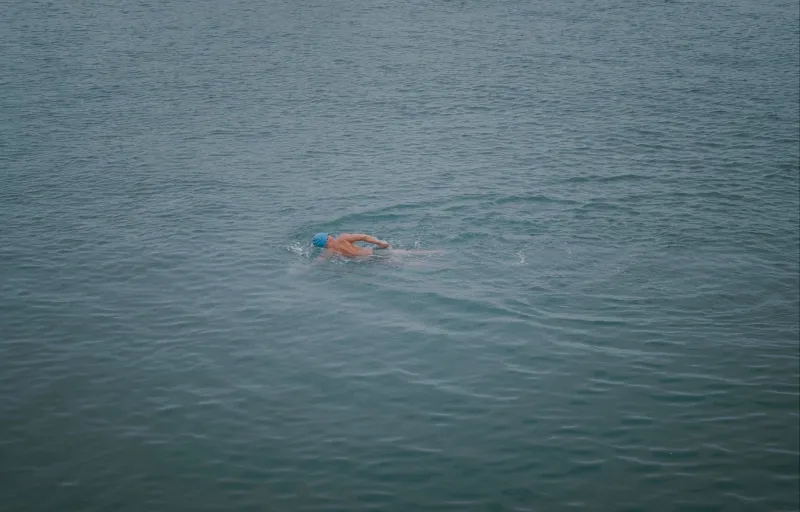
Years of pool training wire your body to expect a wall every 25 or 50 yards — and that expectation quietly sabotages your open water performance. The neuromuscular habits built around flip turns aren't just unnecessary in open water racing, they're actively getting in the way. Here's what's really happening and how to fix it.

Clear Water, Blurry Truth: What Your Goggle Choice Is Really Doing to Your Race

Clear Water, Blurry Truth: What Your Goggle Choice Is Really Doing to Your Race

For swimmers who rely on vision correction, the choice between prescription goggles, contact lenses, and optical inserts isn't just about seeing the wall clearly—it's a decision with real biomechanical and neurological consequences. Different events, pool environments, and even individual eye anatomy can flip what seems like the 'obvious' choice completely on its head. Here's what the science and elite practice actually tell us.

Ditch the Clarity: The Surprising Reason Elite Swimmers Train Half-Blind

Ditch the Clarity: The Surprising Reason Elite Swimmers Train Half-Blind

Your crystal-clear goggles might actually be working against you. A growing body of research suggests that over-relying on visual input during underwater phases can quietly erode the proprioceptive awareness your body needs to swim at its best. Here's what elite coaches are doing about it — and why some of the fastest athletes in the pool are deliberately training with worse vision.

Past Your Prime? The Science Says You Haven't Even Started Yet

Past Your Prime? The Science Says You Haven't Even Started Yet

Most swimmers assume their fastest times are behind them once they hit their mid-twenties. But a growing body of research — and a handful of remarkable comeback stories — suggests that the 'age wall' in competitive swimming is far more negotiable than coaches have traditionally let on. Here's what's actually happening in your body, and how to use it to your advantage.

Stuck in the Same Lane: The Real Reasons Your Swimming Isn't Getting Faster

Stuck in the Same Lane: The Real Reasons Your Swimming Isn't Getting Faster

You're putting in the yards, showing up to every practice, and still watching the clock refuse to budge. Plateaus in competitive swimming aren't just frustrating — they're actually your body telling you something specific. Here's how to decode the signal and forge a genuine breakthrough.

Burn, Recover, Repeat: How Interval Training Rewires Your Body for Swimming Speed

Burn, Recover, Repeat: How Interval Training Rewires Your Body for Swimming Speed

High-intensity interval training isn't just a buzzword — it's a physiological overhaul that transforms how your body produces and manages energy in the water. We break down the science behind HIIT protocols built specifically for swimmers, from VO2 max gains to lactate threshold shifts. Plus, real interval sets you can drop into your next practice.